How to Fix Musty Basement Carpet Before Mold Takes Hold
If your basement smells like damp earth and old socks, the source is almost certainly the carpet. A musty odor in a basement carpet is not just unpleasant; it is a warning sign. That smell means moisture is trapped in the fibers and the backing, and where moisture sits, carpet mold will follow. I have seen this pattern play out in dozens of homes, and the fix always starts with understanding the moisture.
The first time I dealt with a musty basement carpet in my own house, I tried air fresheners and carpet powders. They masked the smell for about a day, then it came back stronger. That is because the odor is not in the surface fibers alone. It comes from the padding underneath and the microbial growth that happens when basement moisture seeps into the carpet. The only real solution is to address the water source and then treat the carpet itself. Learning how to fix musty basement carpet means looking at the whole system, not just the carpet.
Why Basement Carpet Gets Musty
Basements are naturally damp spaces. The concrete slab sits against soil that holds groundwater. Even with good grading, water can migrate through the concrete as vapor or, in worse cases, as liquid. This is called hydrostatic pressure, and it forces moisture up through the slab. If you have carpet on that slab, the moisture has nowhere to go. It gets trapped under the carpet and in the padding.
Other common culprits include a leaky pipe, a foundation crack, or a dryer vent that exhausts humid air into the basement. I once helped a friend whose basement carpet smelled musty for months. We eventually found a slow leak in a supply line behind a wall. The water was running down the wall and under the carpet, but the wall surface looked dry. The carpet was acting like a sponge, drawing moisture from the baseboard area and spreading it across the whole floor.
Start With a Professional Inspection
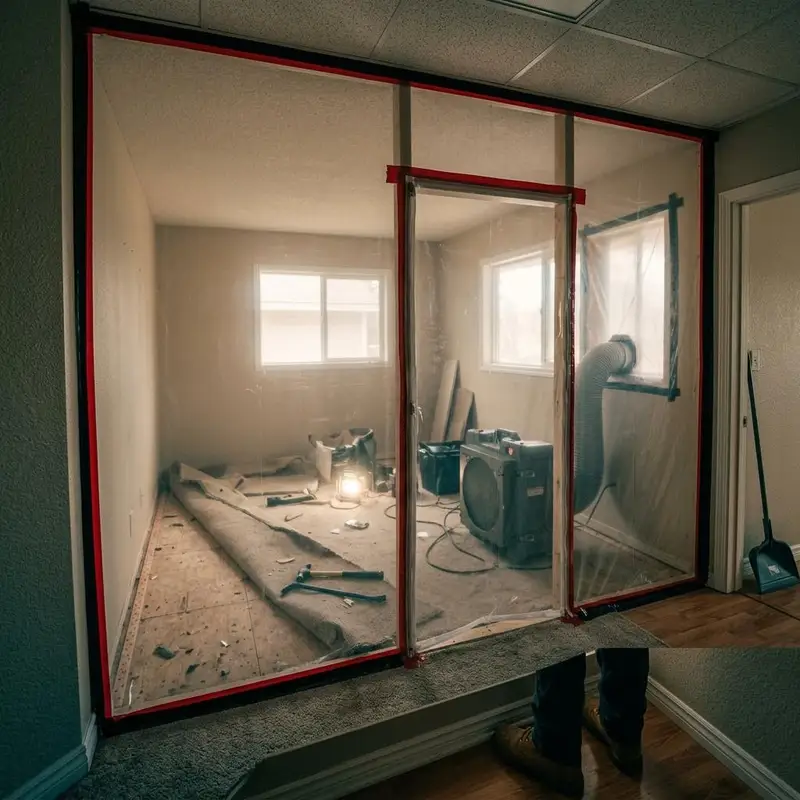
Before you buy any products, you need to understand what you are dealing with. A professional inspection by a mold remediation specialist will identify the type of mold and the extent of the moisture problem. They will check for hidden mold behind baseboards and under the padding. They will also test for moisture levels in the concrete slab. This step is critical because fixing the carpet without fixing the moisture source is a temporary fix at best.
During an inspection, the technician may use a moisture meter and a borescope to look inside wall cavities. They might also take air samples or surface samples with a mold testing kit to confirm the species of mold. Some molds, like Stachybotrys (black mold), require more aggressive remediation because of the toxins they produce. Knowing what you are dealing with tells you whether you can clean the carpet yourself or need a professional team.
Dry the Basement First
Before you treat the carpet, you have to dry the basement. Running a dehumidifier is the first step. Set it to 45 percent relative humidity and let it run for several days. Empty the reservoir or hook it to a floor drain. A dehumidifier alone will not dry out a soaked carpet pad, but it will reduce the ambient moisture and stop new mold from growing while you work.
If your basement has a crawl space or a sump pump, check those areas. A failed sump pump can let water pool under the house, and that moisture will migrate up through the slab. Also check for foundation cracks. A crack in the foundation wall can let groundwater seep in, especially after heavy rain. Seal any cracks with hydraulic cement or an epoxy injection, and make sure the gutters and downspouts direct water away from the foundation.
Clean or Remove the Carpet
Once the basement is dry and the moisture source is fixed, you can decide whether to clean the carpet or remove it. If the carpet has been wet for more than 48 hours, the padding is likely ruined. Mold grows in the padding even if the surface looks clean. In that case, pull up the carpet, remove the padding, and dispose of it in sealed plastic bags.
If the mold is only on the surface and the carpet is relatively new, you might be able to clean it. Use a HEPA vacuum to remove loose mold spores. Then apply an antimicrobial treatment. There are several effective products on the market. Benefect is a botanical disinfectant that kills mold without harsh chemicals. EC3 Mold Solution is another plant-based cleaner that works well on carpet fibers. For tougher cases, Concrobium is a sodium carbonate-based product that encapsulates mold spores and prevents regrowth. RMR-141 is a fast-acting mold stain remover that works on hard surfaces and some carpets, but test it on a hidden area first.
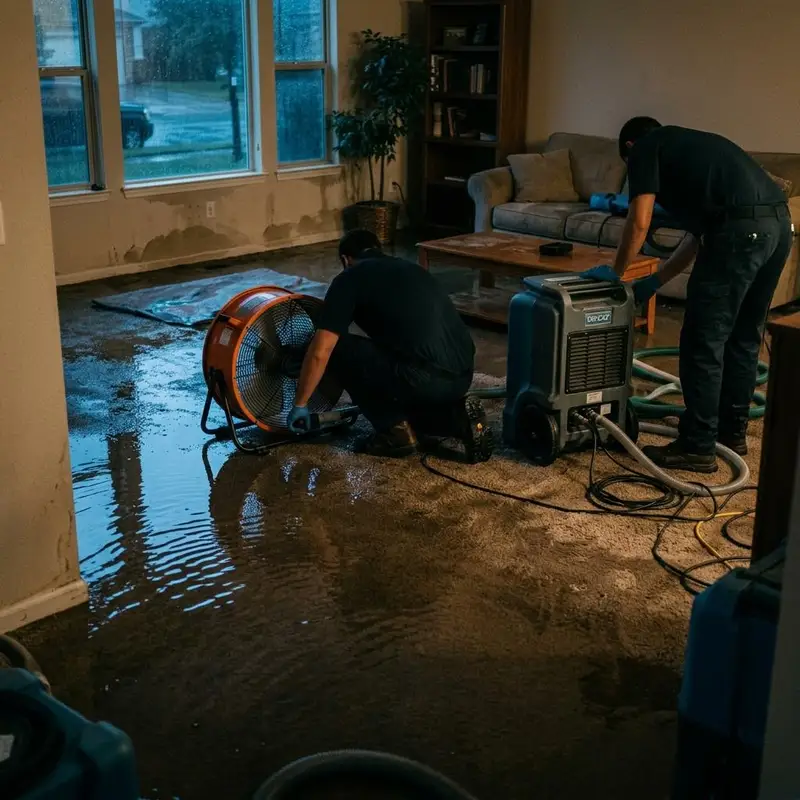
Spray the chosen product onto the carpet, scrub it with a soft brush, and let it sit for the recommended time. Then extract the moisture with a wet-dry vacuum or a carpet cleaner. Dry the carpet completely with fans and a dehumidifier. Do not put furniture back until the carpet is bone dry.
Encapsulation as a Last Resort
If the mold is deep in the carpet backing and you cannot remove the carpet, encapsulation can seal the spores in place. Encapsulation products form a polymer film over the carpet fibers. This film traps mold spores and prevents them from becoming airborne. It is not a cure, but it can buy time until you can replace the carpet. I have used encapsulation in rental properties where the landlord did not want to replace the carpet. It reduced the musty smell and the spore count, but the underlying moisture still had to be managed with a dehumidifier and a vapor barrier on the concrete floor.
Encapsulation works best when combined with a vapor barrier under the carpet. A vapor barrier is a thick plastic sheet laid on the concrete before the carpet is installed. It prevents moisture from the slab from reaching the carpet. If you are installing new carpet, always use a vapor barrier. If you are treating existing carpet, you cannot install a barrier without pulling up the carpet, so focus on controlling basement moisture with drainage and dehumidification.
Long-Term Prevention
Once you fix musty basement carpet, the next step is to keep it from happening again. Install a sump pump with a backup battery in case of power failure. Make sure the dryer vent exhausts outside, not into the basement. A dryer vent that blows humid air into the basement is a constant source of moisture. I have seen basements where the only moisture problem was the dryer vent. Redirecting that vent solved the musty smell completely.
Consider a crawl space dehumidifier if your basement has a dirt crawl space. A dirt floor crawl space without a vapor barrier can add gallons of moisture to the air every day. Cover the dirt with a heavy vapor barrier and seal the seams with tape. This alone can drop the humidity in the entire basement by 20 percent.
Monitor humidity with a simple hygrometer. If the relative humidity stays above 60 percent for more than a day, run the dehumidifier. Mold needs moisture, food, and warmth. Carpet provides the food. Your job is to remove the moisture.
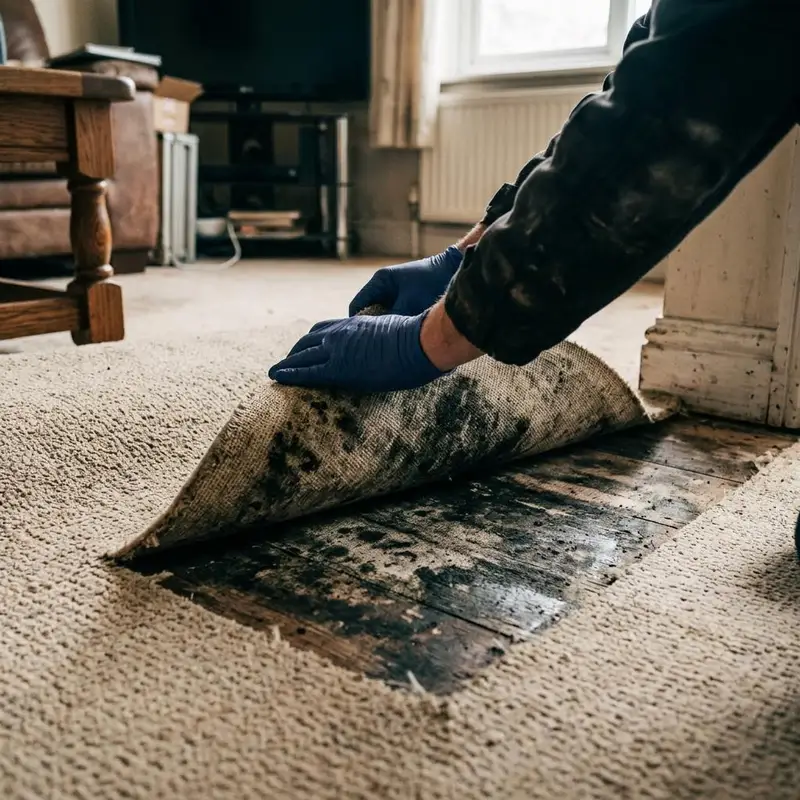
Knowing how to fix musty basement carpet is a skill that saves money and protects your health. It is not a one-time job. It is an ongoing process of managing moisture, cleaning properly, and knowing when to call in a professional. If the mold covers more than ten square feet, or if you suspect black mold, do not try to clean it yourself. Hire a mold remediation company that uses HEPA vacuums, containment barriers, and proper disposal methods. The cost is worth the peace of mind.
In the end, the best fix is prevention. Dry the basement, seal the concrete, and use a vapor barrier. If you do those three things, you may never need to fix musty basement carpet again. But if you do, you now know the steps: inspect, dry, clean or remove, and prevent. It is a cycle, and each time you go through it, your basement gets healthier.